
This is part two of Diana Kellawan's powerful testimony about life transformation through faith and forgiveness.
Years after Diana's initial encounter with God's love in high school, buried memories of childhood abuse began to resurface—a common experience for women during childbearing years.The memories played like a continuous video in her mind, bringing with them severe depression, suicidal thoughts, anger, bitterness, and an all-consuming desire for revenge.
The abuser was her own father.
In the midst of this overwhelming pain—before anything was made right, before any apology was offered—Diana heard God's clear voice during a private moment: "Diana, you need to forgive your father."
This wasn't something she would have considered on her own. Diana admits that had she been living near her father at that time, she might have done him harm.
But forgiveness, as Diana learned, isn't based on feelings or on whether someone deserves it. It's a non-negotiable command that requires submission, surrender, repentance, and trust in God as the righteous judge.
Diana chose to obey, even though she didn't feel like it. She had to repent of her own hatred, bitterness, and malicious spirit, lifting her hands in surrender and saying, "Take my father. You deal with him."
This act of obedience opened the door to profound healing. Through therapy and an encounter with Jesus's presence, Diana was completely set free from depression, suicidal thoughts, and the traumatic memories that had been playing on repeat in her mind.
Years later, after the birth of her second child, God led Diana to face her father in person. She traveled to Toledo to tell him what had happened and how it had affected her—and to tell him that she forgave him because Jesus had forgiven both of them.
Her father's response was immediate: he wept, asked for forgiveness, and began to pray.He had given his life to Christ and became passionate about bringing others to faith.
At his funeral years later, Diana shared these words: "My father, both fathers taught me how to forgive, the joy and the choice to forgive."
Not every forgiveness story ends with reconciliation. Some people never apologize, never change, and continue to cause harm, but Diana's message remains the same: the command to forgive still stands.
Choosing to forgive—even when there's no resolution—prevents us from grieving the Holy Spirit and gives no foothold to the enemy. It allows our minds and bodies to let go of what binds and exhausts us.
As one quote puts it: "Unforgiveness is like drinking poison and expecting the other person to die."The poison of unforgiveness harms us, whether or not the other person even knows we're harboring it.
The invitation is to entrust ourselves to the just judge, just as Jesus did when he didn't return insult for insult but entrusted himself to the one who judges righteously.
It's a choice worth making—a surrender that leads to healing, freedom, and the abundant life Jesus offers.

Join the Women's Ministry for a 7-Week Bible Study "Jesus & Women" by Kristi McLeland

Step outside the everyday and into a evening of prayer, reflection, and togetherness.
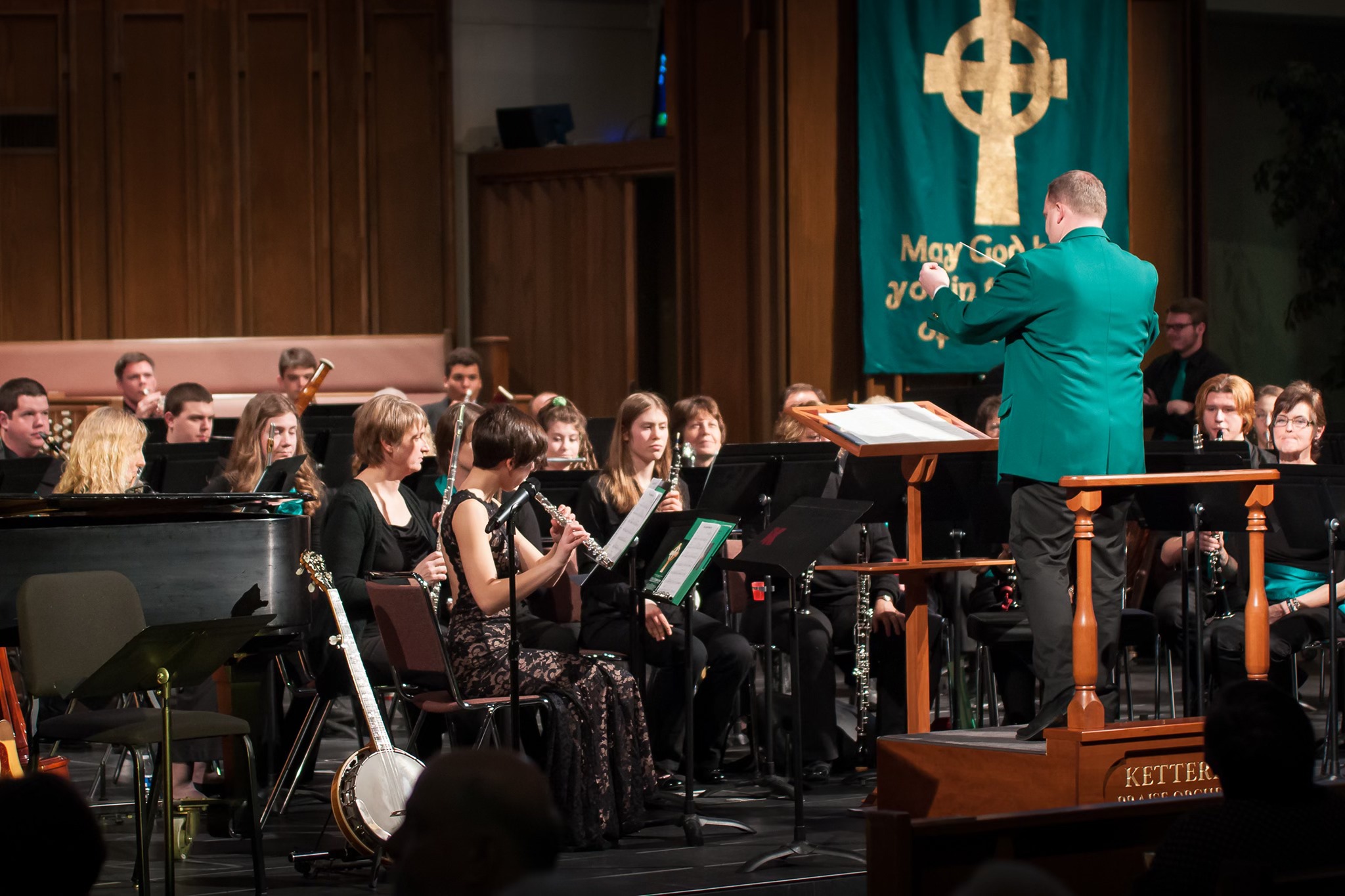
It's back! The Kettering Praise Orchestra, under the direction of Donald Huff, presents its sixteenth annual Celtic Celebration!

Celebrate International Day of Worship with us in a joint service in the Sanctuary!